SEBI Registered RA (INH000003507)
BSE Enlistment No:5203



Insaan ho ya market, dono ki kahani ek hi hai — girte hain, sambhalte hain, phir upar uthte hain.
In this fall everyone thinks Why is the stock market so volatile, Investing in Volatility
Investing in Volatile stock market
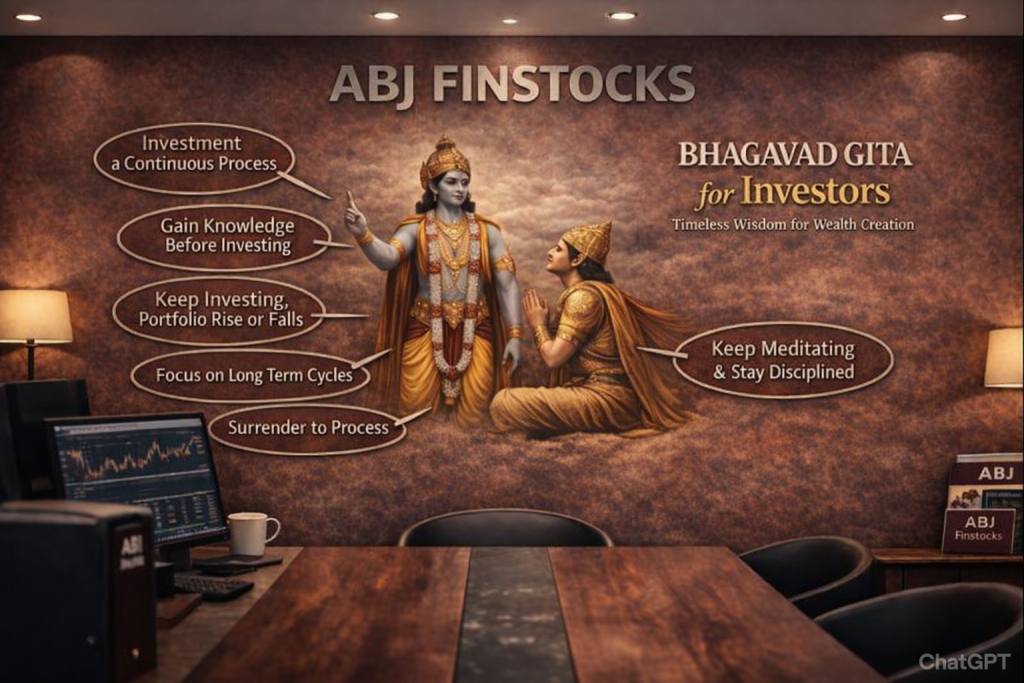
Everything Moves in cycles
This is fact
Of Stock Market and Human Life
March 2026 ka market environment dekhkar bahut investors ko lag raha hai ki kuch bahut galat ho gaya hai. Portfolio screens laal ho chuki hain, small-cap aur mid-cap stocks me sharp corrections dekhne ko mil rahe hain, aur fear headlines har jagah dominate kar rahi hain.
Lekin market history ek simple baat batati hai: girawat market ka end nahi hoti — cycle ka hissa hoti hai.
Jab panic aata hai, capital sabse pehle small-cap aur speculative companies se nikalta hai. Isi liye broader market me correction ka scale Nifty se kaafi zyada dikh raha hai.
Aur yahi wo moment hota hai jahan investors ki psychology test hoti hai.
History baar-baar ye dikhati hai:
Markets ko long term me damage fear nahi karta —lekin hamare returns ko affect karta hai panic decisions.
Major Corrections in the Indian Stock Market
| Year | Event / Phase | Sensex Fall |
| 1992 | Post-bubble crash after the Harshad Mehta market scandal | −54% |
| 1996 | Market slowdown & global uncertainty | −40% |
| 2000 | Dot-com bubble burst | −56% |
| 2008 | Global financial crisis after the Global Financial Crisis | −61% |
| 2013 | Currency crisis & emerging market sell-off | −28% |
| 2020 | Pandemic crash during COVID-19 | −23% |
Long-Term Reality of the Market
| Metric | Outcome |
| Sensex Growth | 100 → 42,000 |
| Wealth Creation | 420× Growth |
| Average Returns | ~15% CAGR |
Corrections are temporary. Long-term growth is permanent.
Life Examples That Mirror Market Corrections
| Situation in Life | What Happens | Lesson |
| Health / Fitness | When someone starts exercising, the body first feels pain and fatigue. | Growth comes after temporary discomfort. |
| Education | Students fail exams or struggle with subjects before mastering them. | Failure is part of improvement. |
| Business | Many successful businesses face losses in early years. | Short-term setbacks build long-term success. |
| Nature | After every night comes morning. | Down phases are temporary cycles. |
| Seasons | Winter looks lifeless, but spring always follows. | Cycles of decline and growth are natural. |
| Human Life | People face struggles, losses, and mistakes before achieving stability. | Progress rarely happens in a straight line. |
Historical Sensex: The “Bounce Back” Data
| Year | Event / Phase | Sensex Fall | Recovery % (from Bottom) | Time to “Break-Even” |
| 1992 | Harshad Mehta Scam | -54% | +115% | ~2 Years |
| 2000 | Dot-com Bubble | -56% | +500% (by 2008) | ~3.5 Years |
| 2008 | Global Financial Crisis | -61% | +157% | ~1.5 Years |
| 2013 | Taper Tantrum/Currency | -28% | +55% | ~1 Year |
| 2020 | COVID-19 Pandemic | -23% | +140% | 4 Months |
| 2026 | Current Crisis (War/Oil) | −10%* | TBD | Ongoing |
Important Explanations for these Columns:
Summary:
“The market has never stayed down. Whether it takes 4 months or 3 years, the eventual recovery has always rewarded those who didn’t panic-sell.”
Markets don’t destroy wealth — panic does.
The investors who survive corrections are the ones who understand one simple truth:
Insaan ho ya market… dono girte hain, sambhalte hain, phir upar uthte hain.
Market corrections often create opportunities that many investors overlook while fear dominates headlines. At ABJ Finstocks, our SEBI-registered research team helps investors capitalize on different stages of the market cycle through dedicated services covering multibagger stocks for next 5 years, best value stocks to buy now, and best penny stocks for long term. Rather than following market noise, our research focuses on identifying opportunities with long-term wealth creation potential through a disciplined and research-driven investment approach.